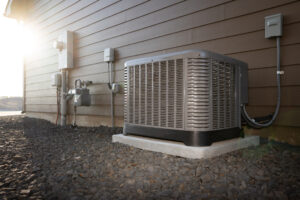
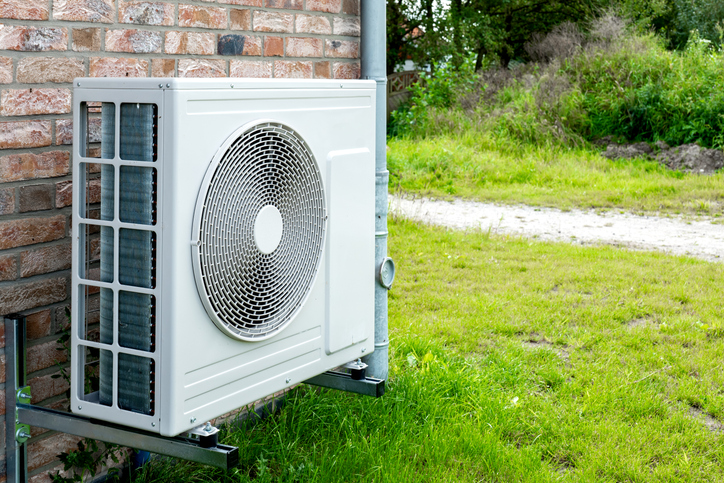
Heat pumps are becoming a practical choice for more Pittsburgh homeowners seeking efficient heating and cooling from a single system. Instead of creating heat the way a furnace does, a heat pump moves heat. In summer, it works much like an air conditioner. In winter, it pulls heat from outdoor air and transfers it indoors.
That sounds simple, but Pittsburgh’s climate makes the decision more complex. Western Pennsylvania homes deal with humid summers, chilly shoulder seasons, and winter temperatures that can drop low enough to challenge older or basic heat pump systems. That is why choosing the right model matters.
If you are searching for the best heat pumps in Pittsburgh that homeowners can rely on, the strongest options are not always the cheapest or the most familiar. The right system should match your home’s size, ductwork, insulation, comfort expectations, and winter performance needs.
Below, we will compare several industry-leading systems, including Napoleon, Daikin, Carrier, and Trane, while explaining what makes a heat pump a smart fit for Pittsburgh homes.
What Makes a Heat Pump “Industry Leading”?
Not every heat pump is designed for the same job. Some are better for mild climates, while others are built for cold-weather performance. When comparing the best heat pump systems for 2026, homeowners should keep in mind that these are the main factors that set premium equipment apart from basic models.
Efficiency Ratings
Two ratings matter most:
- SEER2 measures cooling efficiency. A higher SEER2 rating usually means lower cooling energy use during warm weather.
- HSPF2 measures heating efficiency. A higher HSPF2 rating is especially important in areas like Pittsburgh, where the system may handle a large portion of the heating season.
- Efficiency ratings are helpful, but they should not be the only deciding factor. A system with strong lab ratings still needs to be sized and installed correctly to perform well in a real home.
Cold Climate Performance
For Pittsburgh homeowners, cold-weather operation is one of the biggest considerations. Cold-climate heat pumps are engineered to continue producing usable heat even when outdoor temperatures fall. Some models use enhanced compressors, smart defrost controls, and auxiliary heat integration to keep homes comfortable during winter.
Variable Speed and Inverter Technology
Many of today’s top systems use variable-speed or inverter-driven compressors. Instead of turning on or off, these systems adjust output based on the home’s heating or cooling demand.
That can help improve comfort, reduce temperature swings, lower noise, and improve efficiency. It is one reason many energy-efficient heat pumps feel more consistent than older single-stage systems.
Reliability and Brand Reputation
A heat pump is a long-term investment. Brand reputation matters, but so does local service support. Choosing a system that local technicians know how to install, maintain, and repair is especially important in Western PA, where a system may need to handle both humid cooling seasons and cold winter mornings.
Top Heat Pump Systems for Pittsburgh Homes
The following systems are worth considering if you are comparing top heat pumps for cold climates and want options that can fit a variety of Pittsburgh home types.
Napoleon Premium Heat Pump, WSEHVR Series
Napoleon is known for heating and cooling equipment built around practical home comfort, and its Premium Cold Climate Air Source Heat Pump is designed for more demanding temperatures. Napoleon states that this cold-climate system can provide heating performance at outdoor temperatures as low as -30°C (-22°F) and cooling performance up to 54°C (129°F). It is also described as compatible with a variety of furnace types, making it a good fit for hybrid comfort setups.
Key Features
The Napoleon Premium Heat Pump uses inverter technology, which allows the system to adjust its output rather than running at a single fixed speed. Technical information for the WSEHV series also notes a Hyper Heat DC inverter rotary compressor, cold-climate operation approval, thermostat compatibility, and a compact side-discharge footprint that can be helpful when outdoor space is limited.
Ideal Use Case
This system can be a strong option for homeowners who want a central heat pump that can work alongside an existing furnace. That makes it especially relevant in Pittsburgh homes where homeowners are interested in reducing fossil fuel use but still want backup heat during the coldest parts of winter.
It may also be useful for properties with tight outdoor installation space, such as older neighborhoods with narrow side yards.
Why It Performs Well in Cold Climates
The cold climate design is the key advantage. A standard heat pump may lose capacity quickly as temperatures drop, while a cold-climate model is engineered to keep producing heat at lower outdoor temperatures. For Western Pennsylvania, that can make the system more useful across a longer portion of the heating season.
For homeowners interested in this brand, Ventec provides more information on Napoleon HVAC systems.
Daikin Fit Aurora Heat Pump
Daikin is one of the most recognized HVAC manufacturers in the heat pump market, and the Daikin Fit Aurora is built around all-climate performance. Daikin describes the Fit Aurora DH9VS as an inverter heat pump designed for high-efficiency heating and cooling in both high-ambient and cold-climate conditions. The system is also listed as an ENERGY STAR-certified Cold Climate Heat Pump.
Key Features
The Daikin Fit Aurora features inverter technology, a compact outdoor design, equipment communication compatibility, and a low-GWP refrigerant. The system is designed to deliver efficient comfort across a wide range of outdoor conditions, making it a useful option for homeowners seeking a single system that performs well in both warm and cold climates.
Some product listings note performance specifications up to 21 SEER2 and up to 10 HSPF2, along with quiet operation features and compatibility with Daikin communicating controls.
Ideal Use Case
The Daikin Fit Aurora is a good fit for homeowners who want a premium central heat pump without a large, traditional outdoor cabinet. Its compact design can be helpful for Pittsburgh homes where outdoor equipment placement is limited.
It can also be a strong choice for homeowners who value quiet operation, smart controls, and year-round comfort.
Why It Performs Well in Cold Climates
The Aurora line is specifically positioned around all-weather performance. For Pittsburgh homes, that matters because a system should not only cool well in July, but also provide reliable heating support during January and February.
Ventec is proud to sell, install, and work on Daikin HVAC products, and the company also identifies itself as an authorized Daikin dealer in its heat pump and HVAC content. You can learn more through Ventec’s page on Daikin HVAC systems.
Thinking about whether Daikin, Napoleon, Carrier, or Trane makes the most sense for your home? A professional consultation can help compare efficiency, comfort, cost, and installation requirements before you commit to a system.
Carrier Premium Heat Pumps
Carrier offers several premium heat pump options, with its Infinity line often associated with advanced comfort control and variable speed technology. Carrier’s Infinity 20 Heat Pump with Greenspeed Intelligence is listed with up to 20 SEER2 and 9.5 HSPF2, ENERGY STAR certification, variable speed compressor operation, quiet operation as low as 54 decibels, humidity control, and advanced defrost technology.
Key Features
Carrier’s premium heat pumps focus on variable speed operation, smart system control, humidity management, and efficient performance. Greenspeed technology allows the compressor to adjust output more precisely than a basic single-stage system.
Ideal Use Case
A Carrier central heat pump can be a good choice for homeowners who want a premium unit with strong comfort control. It may be especially appealing in larger homes, homes with existing ductwork, or households that want better humidity control during Pittsburgh’s warm, muggy summers.
Why It Performs Well in Cold Climates
The advantage of Carrier’s premium systems is their ability to modulate performance. Rather than cycling on and off aggressively, the system will run at lower speeds for longer periods. That helps maintain steadier indoor temperatures during changing Western PA weather.
Carrier is also a practical brand to consider when local service support is available. Ventec notes that it sells and installs major HVAC brands, including Carrier, Trane, Daikin, Lennox, and American Standard.
Trane Premier 20 Heat Pump
Trane’s Premier 20 TruComfort Variable Speed Heat Pump is another strong option for homeowners comparing a heat pump brand comparison list. Trane describes the Premier 20 as an R-454 B-compliant variable-speed heat pump designed to pair with a compatible air handler or furnace for optimal efficiency and comfort.
Additional Trane product information lists the 20 TruComfort system with ratings up to 22.4 SEER2 and 10.5 HSPF2, a Climatuff variable speed inverter compressor, Spine Fin coil, swept fan blade, Trane Link connectivity, and WeatherGuard top protection.
Key Features
The standout feature is TruComfort variable speed technology. This allows the system to run at the level needed to maintain comfort, rather than relying on frequent starts and stops. Trane literature also emphasizes improved temperature control, humidity control, air filtration, quiet operation, and efficient operation through longer low-speed cycles.
Ideal Use Case
The Trane Premier 20 can be a good fit for homeowners who want high efficiency, premium comfort control, and a central ducted system. It may be especially useful for larger homes or homes where comfort consistency is a major priority.
Why It Performs Well in Cold Climates
Variable speed operation helps the system adapt to changing heating demands. In Pittsburgh, winter outdoor temperatures can shift quickly. A system that can adjust its output helps maintain a more even indoor temperature without relying on constant full-power cycling.
Ductless vs Central Heat Pumps
When comparing ductless vs central heat pump options, the best choice depends on the home.
A central heat pump connects to ductwork and distributes conditioned air throughout the house. This is often the better choice for homes that already have usable ductwork, especially if the homeowner wants a single whole-home comfort system.
A ductless heat pump, also called a mini-split, uses one or more indoor units connected to an outdoor unit. It does not require traditional ductwork. This can be ideal for additions, finished basements, garages, older homes without ducts, or rooms that never stay comfortable.
For Pittsburgh homes, both options make sense. A central system may be better for a newer suburban home with existing ductwork. A ductless system may be better for an older city home, a third-floor bedroom, or a home office over a garage.
How to Choose the Right Heat Pump for Your Home
Choosing the right heat pump is not just about picking a brand. It is about matching the system to the house.
Budget
Premium heat pumps usually cost more upfront than standard systems. However, they may offer better comfort, lower energy use, and longer-term value when installed correctly.
Home Size and Insulation
A poorly insulated home may need air sealing or insulation improvements before a heat pump can perform at its best. Bigger is not always better. An oversized system can shorten the cycle, reduce comfort, and waste energy.
Existing HVAC System
If you already have ductwork and a newer furnace, a hybrid heat pump setup may be worth considering. If your home lacks ducts, ductless may be more practical.
Pittsburgh Climate Factors
Western Pennsylvania homes need systems that can handle humidity, cold snaps, freeze-thaw cycles, and wide seasonal swings. That is why cold climate performance, defrost strategy, installer experience, and proper sizing matter.
Why Professional Installation Matters
Even the best heat pumps can underperform if they are installed incorrectly. Sizing, refrigerant charge, airflow, duct condition, thermostat setup, and backup heat configuration all affect real-world comfort and efficiency.
For homeowners looking for heat pump installation in Pittsburgh, local experience matters. Ventec Refrigeration has served Pittsburgh and Western PA since 1989, and its technicians are described as certified and insured. Ventec also provides residential HVAC repair, maintenance, and installation services for homeowners in the greater Pittsburgh region.
Ventec can help homeowners compare equipment, evaluate ductwork, discuss cold-climate performance, and install a system that fits the home rather than relying on a one-size-fits-all recommendation.
FAQ: Heat Pumps for Pittsburgh Homes
What is the best heat pump for cold climates?
The best heat pump for cold climates is usually a variable-speed or inverter-driven model. Systems like the Napoleon Premium Heat Pump, Daikin Fit Aurora, Carrier Infinity line, and Trane Premier 20 are strong options because they are designed for efficient comfort and better low-temperature performance.
Are heat pumps efficient in Pittsburgh winters?
Yes, heat pumps can be efficient in Pittsburgh winters when they are designed for cold-weather operation and installed correctly. Many homeowners may also use a dual-fuel or backup heating system on the coldest days.
How long do heat pumps last?
The average heat pump will last about 10 to 15 years, and some can last longer with proper installation and regular maintenance. Service life depends on system quality, usage, maintenance, and whether the unit is correctly sized for the home.
Are ductless heat pumps better than central systems?
Ductless heat pumps are better for homes without ductwork, for room additions, for finished basements, and for targeted comfort areas. Central heat pumps are usually better for whole-home comfort when the home already has good ductwork.
What size heat pump do I need?
The right heat pump size depends on your home’s square footage, insulation, windows, ductwork, layout, and heating load. A professional load calculation is the best way to choose the correct size.
Call Ventec for Heat Pump Installation in Pittsburgh
The best heat pump for your Pittsburgh home depends on more than brand names. It depends on your home’s layout, insulation, ductwork, budget, and winter comfort needs.
Ventec Refrigeration helps homeowners throughout Pittsburgh and Western PA compare high-quality heat pump systems, understand their options, and choose equipment that fits the home. Whether you are interested in Daikin, Napoleon, Carrier, Trane, ductless systems, or a central heat pump replacement, Ventec can guide you through the next step.
Call Ventec Refrigeration today to schedule a heat pump consultation and find the system with the capabilities required for your Pittsburgh home.

Austin Vensel
Director Of Sales
Austin has been involved in the family business since he was very young. Starting out in the field he worked his way up to director of sales. During his time at Ventec Austin has accumulated vast amounts of knowledge and helped countless Pittsburgh home and business owners through Heating, Cooling and Refrigeration.