What Should You Do If Your A/C Uses R-410A In 2026?
If your air conditioner was installed in the last 10 to 15 years, it most likely has uses R-410A refrigerant. In 2026, that is not an emergency, but it is something worth understanding.
R-410A is not disappearing from existing systems overnight. Homeowners do not need to rush into replacing a working air conditioner just because it uses R-410A. However, the HVAC industry is moving away from higher-GWP refrigerants in new equipment under the EPA’s AIM Act and Technology Transitions Program. Newer residential and light commercial air conditioning and heat pump equipment is shifting toward lower-GWP refrigerants, including R-454B and R-32.
For homeowners in Pittsburgh, Wexford, Cranberry, the South Hills, Washington, PA, and surrounding areas, the best approach is simple: find out what your system uses, understand if your unit uses this deprecated refrigerant, and start planning before you are forced to make a fast decision during a humid Western Pennsylvania summer.
How Can You Tell If Your A/C Uses R-410A?
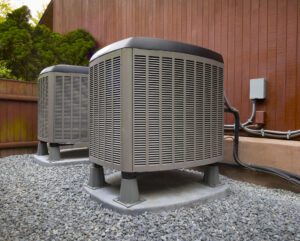
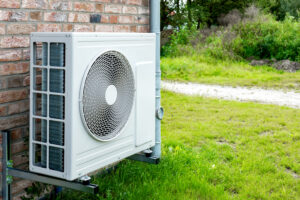
The easiest way to check your refrigerant type is to look at the label on your outdoor air conditioning unit. Most systems have a manufacturer plate or service label on the side of the condenser. This label may list the refrigerant as “R-410A” or sometimes by the brand name “Puron.”
Your system may use R-410A if:
- It was installed between roughly 2010 and 2022
- The outdoor unit label lists R-410A
- The paperwork from your original installation mentions R-410A or Puron
- Your technician has previously recharged the system with R-410A
If you cannot find the label or are unsure what it means, Ventec can help you check during a maintenance visit or service evaluation. Knowing your refrigerant type gives you a clearer picture of what future a/c repairs may involve.
Why Is R-410A Being Phased Down Across The U.S.?
R-410A is part of a class of refrigerants called HFCs. These refrigerants have been widely used in air conditioners and heat pumps, but they have a high global warming potential. The EPA’s AIM Act directs a national phasedown of HFC production and consumption, and the Technology Transitions Program limits the use of higher-GWP HFCs in many types of new HVAC equipment.
This does not mean your current R-410A system is illegal. It also does not mean it has to be replaced immediately. The transition primarily affects the standards for the manufacturing and installation of new equipment.
The HVAC industry is moving toward A2L refrigerants, including R-454B and R-32. These types of refrigerants have a lower environmental impact than R-410A and are becoming standard in newer systems.
Will R-410A Refrigerant Become Harder And More Expensive?
R-410A is not disappearing tomorrow, but it may become less practical over time. As the production and use of higher-GWP refrigerants are reduced, supply can become tighter and pricing less predictable.
Homeowners saw a similar pattern with R-22. That does not mean R-410A will follow the same timeline or price path, but it does show why planning matters. As refrigerants become less common in new equipment, repairs to older air conditioning systems can become more expensive over time.
For now, the key takeaway is balanced: if your R-410A system is working well, you do not need to panic. If it is older, leaking, inefficient, or in need of frequent a/c unit repairs, it may be time to start comparing replacement options.
What Happens If Your Air Conditioner Needs R-410A During an A/C Repair Call?
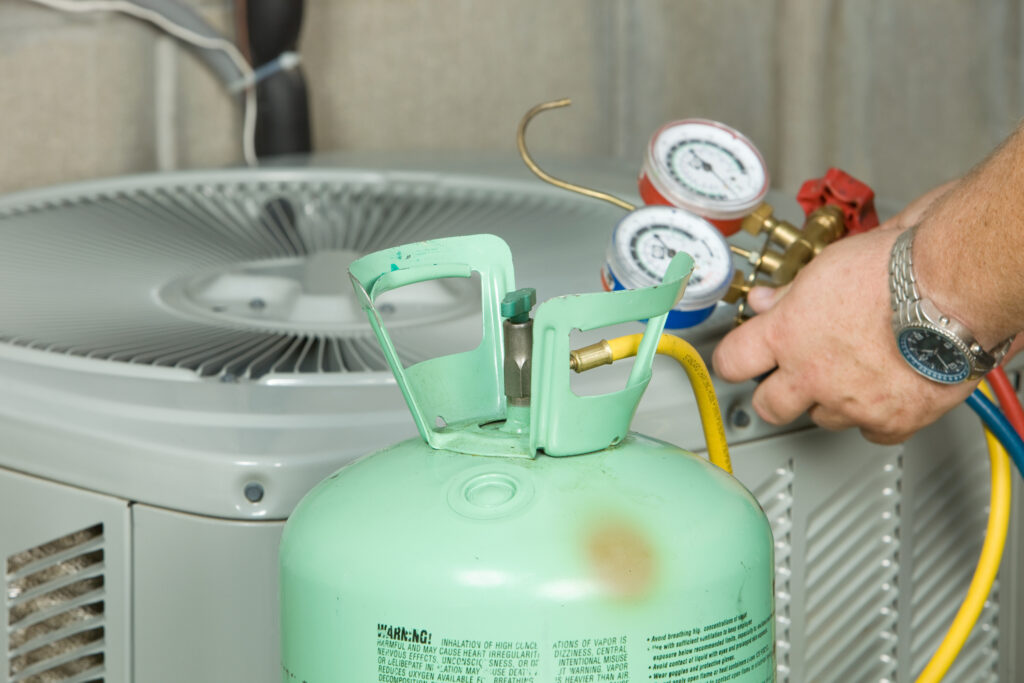
Refrigerant is usually not something your system should “use up.” If your air conditioner is low on refrigerant, there is likely a leak somewhere in the system.
That is where repair costs can start to stack up. A refrigerant-related a/c repair may include:
- Diagnostic labor
- Leak detection
- Coil or line repairs
- Refrigerant recovery
- New refrigerant
- A system recharge
- Follow-up testing
For a newer system in otherwise good condition, repair may still make sense. For an older system, an a/c repair with a system that uses old refrigerant can be the tipping point that warrants serious consideration of replacement.
Ventec’s role is to help homeowners weigh both options. Sometimes the right answer is a repair. Other times, putting more money into an aging R-410A system may not be the most practical long-term choice.
Should You Replace Your A/C If It Uses R-410A?
Not automatically. Refrigerant type is only one part of the decision.
A helpful way to think about it is by system age:
- If your system is under 10 years old, it may make sense to maintain it, monitor performance, and repair smaller issues when reasonable.
- If your system is 10 to 15 years old, this is a good time to start planning. You may not need a replacement today, but you should understand your options before a major breakdown happens.
- If your system is 15 years or older, replacement may be worth serious consideration, especially if repairs are becoming frequent or your energy bills are rising.
Age matters, but so do comfort, efficiency, repair history, and how well the system handles Pittsburgh’s humid summers. If your home has hot spots, uneven cooling, long run times, or rising utility costs, those signs may point to more than a refrigerant issue.
What New Refrigerants Are Replacing R-410A In Modern HVAC Systems?
Many new air conditioners and heat pumps are being designed around lower-GWP refrigerants such as R-454B and R-32. These refrigerants are different from R-410A, but they are becoming part of the new HVAC standard.
You may hear these referred to as A2L refrigerants. That classification means they have low toxicity and mild flammability under specific conditions. New equipment is designed with updated safety standards, installation practices, and technician training in mind.
For homeowners, the main point is this: the transition is already underway, and new systems are being built for the next generation of refrigerants.
Are New Heat Pumps And Mini Splits Better Options Today?
For many Western Pennsylvania homes, modern heat pumps and mini splits are worth considering. These systems provide both heating and cooling, and many newer models are designed to operate efficiently in colder climates.
Mini splits can be especially useful for:
- Additions
- Finished basements
- Older homes without ductwork
- Rooms that never stay comfortable
- Zoned comfort needs
Heat pumps can also be a practical option for homeowners who want efficient cooling in the summer and supplemental or primary heating during colder months.
Daikin heat pumps and mini-splits are examples of modern HVAC technology that can meet these needs. They offer efficient performance, quiet operation, and flexible comfort options without relying on older refrigerant platforms.
Why Are Daikin Heat Pumps Gaining Popularity In Pittsburgh Homes?
Daikin systems are becoming a popular option for homeowners who want long-term efficiency and reliable comfort. They can be a strong fit for Pittsburgh-area homes because they provide heating and cooling in a single system, which is useful in a region with humid summers and cold winters.
Homeowners often consider Daikin heat pumps because they can provide:
- Efficient cooling during summer
- Heating support during colder months
- Quiet operation
- Zoned comfort with mini split setups
- A modern replacement path for aging A/C equipment
That does not mean every home needs the same system. The right choice depends on your layout, ductwork, insulation, comfort concerns, and budget.
What Are The Signs Your Current A/C Is Nearing Replacement?
Your refrigerant type is important, but your system’s behavior matters just as much.
Your A/C may be nearing the time where replacement is unavoidable if you notice:
- Frequent repair calls
- Rising energy bills
- Uneven cooling
- Warm air from vents
- Longer run times
- Loud or unusual noises
- Poor humidity control
- A system age of 15 years or more
One repair does not always mean replacement is necessary. But if your system is older and repairs are becoming more expensive, it is smart to consider the full picture.
How Can You Plan Before Refrigerant Costs Increase Further?
The best time to evaluate your system is before it fails. Emergency replacements often happen during the hottest part of summer, when demand is high, and homeowners have less time to compare options.
Planning gives you more control. You can review repair history, compare system types, understand financing or budgeting needs, and choose equipment that fits your home rather than what is available during a breakdown.
A quick inspection can help answer important questions:
- What refrigerant does your system use?
- Is the system leaking?
- How efficient is it?
- Are repairs likely to continue?
- Would a having a heat pump or mini split installed make sense?
- Is replacement worth planning for now or later?
How Does Ventec Help Homeowners Navigate This Transition Confidently?
If your current A/C still uses R-410A, you are not behind. Many homeowners are in the same position. The important thing is to understand what you have and what your options are.
Ventec helps homeowners throughout Penn Hills, Pittsburgh, Wexford, Cranberry, the South Hills, Washington, PA, and nearby communities make informed HVAC decisions. That means honest assessments, clear guidance on repair versus replacement, and installation expertise when a new system is the better long-term choice.
The goal is not to push the most expensive option. The goal is to help you make the right decision for your home, comfort, and budget.
If your system still uses R-410A, you are approaching a decision point, not a deadline. The best time to evaluate your options is before you are forced into one. A system inspection can help you plan ahead, avoid surprise costs, and feel confident about your next step.
Call VENTEC Refrigeration today to schedule an HVAC inspection or to learn more about other HVAC options.

Austin Vensel
Director Of Sales
Austin has been involved in the family business since he was very young. Starting out in the field he worked his way up to director of sales. During his time at Ventec Austin has accumulated vast amounts of knowledge and helped countless Pittsburgh home and business owners through Heating, Cooling and Refrigeration.