Why Isn’t My New Heat Pump Effectively Heating My Home?
You invested in a new system that has passed inspection and turns on and runs. But your house still feels chilly.
If your new heat pump is not heating the way you expected, you are not alone. Many homeowners in Western Pennsylvania make the switch from a furnace to a heat pump and assume the new equipment alone will solve their comfort issues. When it does not, the first thought is usually that the unit is defective.
In most cases, the equipment is not the problem. Heat pump heating issues are typically related to system design, airflow, setup, or installation details. Understanding what went wrong is the first step toward correcting it.
A New Heat Pump Does Not Automatically Mean a Better Heating System
Replacing old equipment is not the same as upgrading the entire heating system.
A common installation approach is what many call a “swap and go” job. The old furnace or heat pump is removed, the new unit is installed in the same place, and the existing ductwork and controls remain untouched. The system may function, but it may not perform correctly.
Heat pumps operate differently from traditional gas furnaces. They produce lower temperature air over longer cycles. That means airflow, duct sizing, and heat load calculations matter more than many homeowners realize. If those components are not evaluated, you may end up with a heat pump that doesn’t heat the house effectively, even though the equipment is brand new.
Potential Discoveries When Evaluating the Entire Heating System
A heat pump is only one piece of the . For it to work properly, there are other components of an HVAC system that must be considered.
Heat Load Calculations
Every home has a specific heating demand based on square footage, insulation levels, windows, ceiling height, and air leakage. Proper sizing requires a Manual J heat load calculation. According to the U.S. Department of Energy, accurate sizing is essential for performance and efficiency.
If this calculation was skipped or estimated, the unit may not be sized correctly for your home’s winter conditions.
Ductwork Capacity and Condition
Your existing ductwork was likely designed around a furnace. Heat pumps move more air than furnaces to deliver the same heating output. If the ducts are undersized, restricted, or leaking, you can experience weak airflow and uneven temperatures.
These heat pump airflow issues often show up as cold rooms, long run times, or the system never reaching the thermostat setting.
Airflow Balance and Distribution
Even if the equipment is sized correctly, poor balancing can leave parts of the home underheated. Heat pumps rely on consistent airflow across the coil. Any imbalance can reduce efficiency and output.
Insulation and Heat Loss
Western Pennsylvania winters can be demanding. If your home has significant heat loss through attic insulation, rim joists, or drafty windows, even a properly installed system may struggle to keep up. This is often described as a heat pump not keeping up in winter, when the real issue is excessive heat loss.
Undersized or Improperly Designed Heat Pump Systems
Sizing a heat pump based solely on square footage is inaccurate. Two homes of the same size can have very different heating demands.
If a unit is undersized, it may run constantly without reaching the set temperature. If oversized, it may short-cycle and fail to distribute heat properly.
Improper sizing is one of the most common problems in heat pump system design. In colder climates, selecting the correct capacity at low outdoor temperatures is critical. Cold-climate rated equipment is often necessary to maintain heating output during freezing conditions.
Thermostat, Controls, and Auxiliary Heat Setup Issues
Heat pumps require specific thermostat programming and control logic. If those controls are not configured properly, the system may not operate as designed.
Heat Pump Specific Thermostats
Standard thermostats may not stage heating correctly for heat pump systems. A misconfigured thermostat can prevent auxiliary heat from activating when needed.
Backup Heat Staging
In cold weather, most systems rely on electric strip heat or a dual-fuel furnace as backup. If the heat pump auxiliary heat is not working, the home may feel underheated during extreme cold.
Sometimes the backup heat is installed but not wired or programmed correctly. Other times, it is locked out due to incorrect temperature settings.
These are common heat pump installation problems that can usually be corrected without replacing equipment.
Airflow and Ductwork Problems That Limit Heat Output
Heat pumps are more sensitive to airflow than furnaces. A furnace produces very hot air in short bursts. A heat pump produces moderately warm air over longer cycles.
If ducts are undersized, blocked, or leaking, the system cannot move enough air to transfer heat efficiently. Common issues include:
- Crushed or disconnected ducts
- Dirty filters or coils
- Closed supply registers
- Poor return air pathways
- Airflow restrictions can significantly reduce heating capacity. When airflow improves, performance often improves as well.
Refrigerant, Commissioning, and Startup Errors
Even brand-new systems can have startup issues.
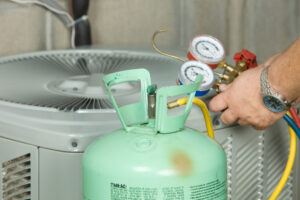
During installation, refrigerant levels must be verified in accordance with the manufacturer’s specifications. If the system is undercharged or overcharged, heating output can suffer.
Proper commissioning includes:
- Verifying refrigerant charge
- Checking static pressure and airflow
- Confirming thermostat staging
- Testing auxiliary heat operation
If these steps were rushed or skipped, your new heat pump not heating may be due to an incomplete setup rather than defective equipment.
ENERGY STAR also emphasizes the importance of professional installation and commissioning to ensure expected performance.
Why Cold-Climate Homes Require a Thoughtful Heat Pump Strategy
Homeowners transitioning from gas furnaces often notice that heat pump air feels different. Furnaces deliver very hot air quickly. Heat pumps deliver steady, moderate warmth.
That difference can create the perception that the system is not heating well, even when it is operating normally. However, in Western Pennsylvania, cold snaps require careful planning.
A properly designed system may include:
- Cold-climate heat pump equipment
- Dual-fuel configurations
- Properly staged auxiliary heat
- Well-sealed and insulated ductwork
Without this strategy, you may find that your heat pump struggles to keep up in winter, especially during extended cold spells.
How Ventec Approaches Heat Pump Repairs and Installations Differently
At Ventec Refrigeration, we do not assume the equipment is the problem. We evaluate the entire system.
Our approach includes:
- Performing or reviewing heat load calculations
- Measuring duct static pressure and airflow
- Inspecting duct condition and layout
- Verifying thermostat programming and staging
- Testing auxiliary heat operation
- Checking refrigerant charge and system performance
Rather than immediately recommending replacement, we focus on identifying system-level issues that may be limiting performance.
This system-first evaluation often reveals correctable problems that restore comfort without unnecessary upgrades.
If you need professional support, our team provides comprehensive heat pump repair services, complete heat pump installation services, and full residential HVAC system evaluations tailored to Western Pennsylvania homes.
When a Heat Pump Repair or System Adjustment Is Enough
In many cases, correction solves the issue.
Examples include:
- Thermostat misconfiguration
- Inactive auxiliary heat
- Airflow restrictions
- Minor refrigerant charge adjustments
- Duct leakage repairs
These fixes can significantly improve performance and comfort. Knowing the difference between heat pump repair and replacement can help homeowners avoid unnecessary expenses.
If the equipment is sized correctly and in good condition, adjustments are often sufficient.
When a Full Heat Pump Installation Is the Right Solution
There are situations where a more comprehensive solution is needed.
Examples include:
- Severely undersized equipment
- Incompatible duct systems
- Outdated electrical capacity
- Homes without proper backup heat in cold climates
In these cases, a properly engineered installation designed for your home’s heating load and duct capacity provides long-term comfort and efficiency.
The key is ensuring the new installation addresses the entire system, not just the outdoor unit.
Schedule a Professional Heat Pump System Evaluation
If your new heat pump is not heating the way it should, the issue is rarely a simple equipment defect. Most heating performance problems stem from airflow, system design, control setup, or commissioning details.
Before assuming the system needs to be replaced already, have it properly evaluated. Ventec Refrigeration takes a comprehensive approach to diagnosing and correcting heat pump performance issues in Western Pennsylvania homes. We look at the complete system so you can get reliable, consistent winter comfort.
If your heat pump is not heating your house effectively, schedule a heat pump system evaluation with Ventec today. Our team can determine whether a repair, adjustment, or redesigned installation is the right solution for your home.
You can also request professional heat pump repair or installation services to ensure your system is appropriately designed and installed from the start. Contact us today to learn more!

Austin Vensel
Director Of Sales
Austin has been involved in the family business since he was very young. Starting out in the field he worked his way up to director of sales. During his time at Ventec Austin has accumulated vast amounts of knowledge and helped countless Pittsburgh home and business owners through Heating, Cooling and Refrigeration.